
Wedding Planning Stress: “What Happens to Our Outdoor Dinner If It Rains?”
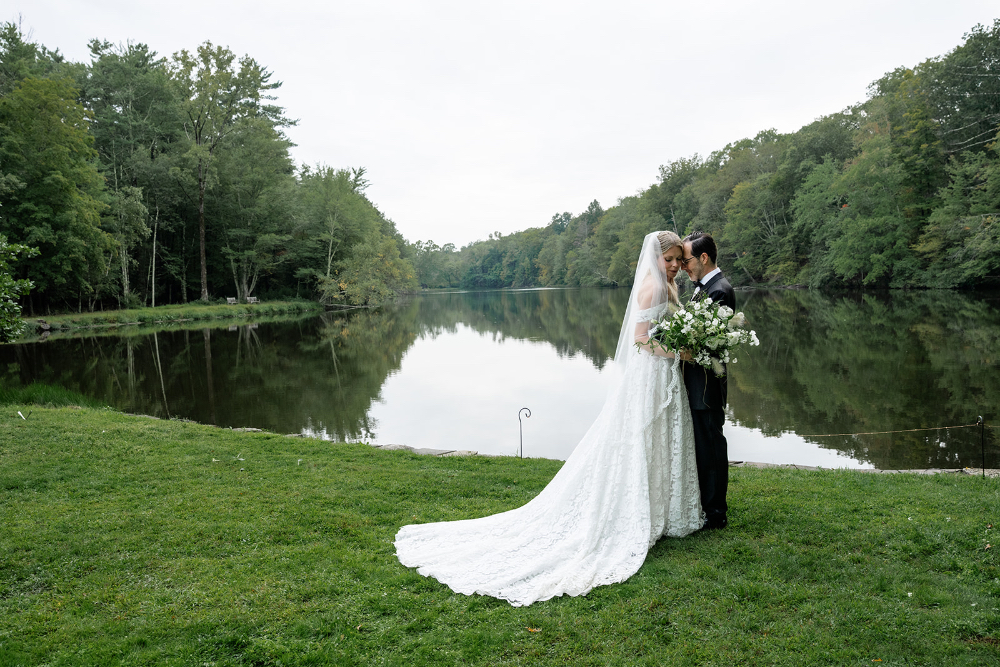
You’re picturing dinner on the terrace and a ceremony on the lawn, and you’re wondering whether rain or bad weather means giving all of that up.
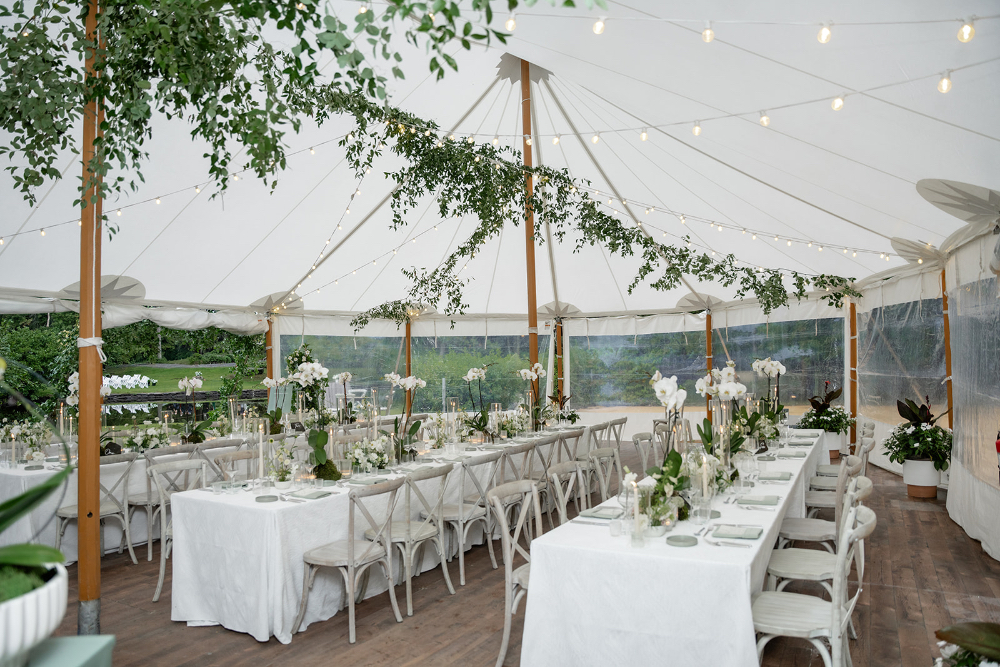
We’re thinking about tent permits, install days, side walls, flooring over wet grass, heaters, and lighting that may need to be rehung. We’re thinking about how long it takes to flip a ceremony space to a covered location, where cocktail hour goes if the lawn is unusable, how guests move between spaces without walking through weather, and the exact moment on the calendar when a decision has to be final because a rental company needs an answer.
A rain plan isn’t a consolation prize. When it’s designed with the same care as the original plan, guests rarely know there was another version of the evening at all.
The couples who experience the least wedding planning stress are the ones who love both versions of their day before the week of the wedding ever arrives.
“Should Our Wedding Party Be Bigger?”
You’re thinking about who might feel left out, and whether including one more person is the kind thing to do.
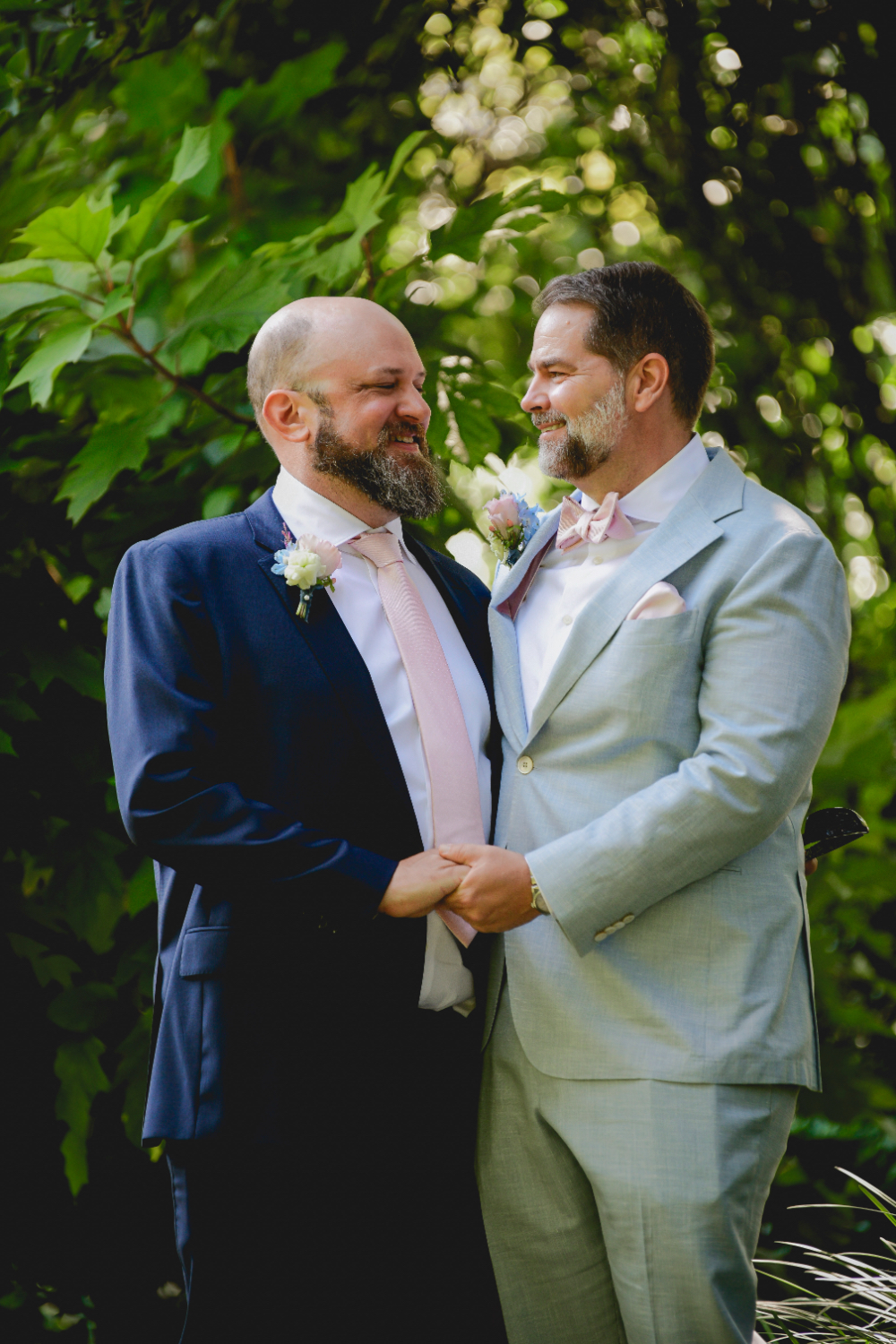
As your Hudson Valley wedding planners, we’re thinking about what each addition means for the day itself. A wedding party of sixteen means sixteen hair and makeup appointments, more getting ready space, more transportation, a longer portrait window, and more people to gather before the ceremony can begin. A smaller group means a slower morning, more time for photographs, and far fewer moving pieces.
Neither choice is “better.” But the size of your wedding party shapes your entire wedding day, so it should be a decision you make intentionally rather than one that grows by obligation.
Choose the people you want standing beside you, then let us build a schedule that actually supports that number. And speaking of that…
“Can’t Everyone Just Share One Hair and Makeup Team?”
You’re thinking about simplicity, and possibly about cost. It seems easier to have one team handle everyone.
We’re thinking about the start time. Every additional person added to the bridal party’s schedule pushes the morning earlier. When mothers, aunts, cousins, and close friends are folded into the same timeline, artists are starting before sunrise or the day begins behind schedule. Not to mention, a getting ready space with twenty people in it stops feeling like a getting ready space.
A separate team for guests, often working in a different room or suite, protects both the timeline and the atmosphere.
“Will Our Guests Actually Have a Good Time?”
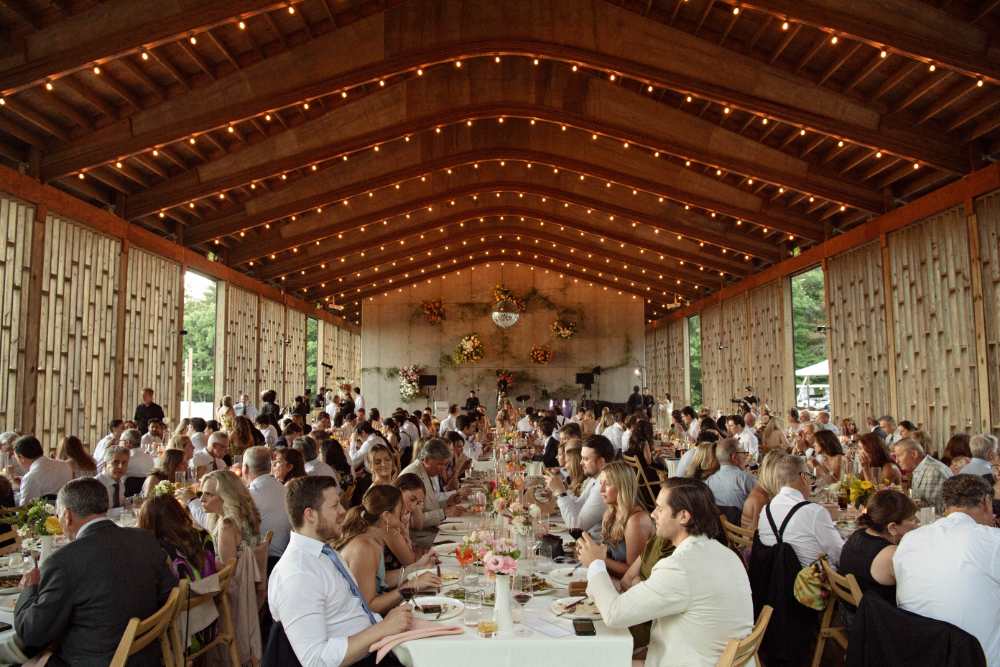
You’re thinking about whether people will enjoy themselves, whether the dance floor will fill, and whether the night will feel like the celebration you imagined.
We’re thinking about the timeline that makes that possible. When sunset falls and how that affects portraits. How long guests are seated before something happens. Where toasts land in relation to courses so the kitchen isn’t holding food. When the band takes breaks and what fills that space. How long the room needs for a reset. Where the natural lull will occur, and what we’ve placed there to prevent it.
Guest experience is rarely about one grand gesture. It’s about pacing, comfort, and the sense that the evening is moving effortlessly from one moment to the next.
“What If Someone’s Feelings Get Hurt With One Of The Decisions I Make?”
You’re thinking about your parents, your wedding party, and the guests who each arrive with their own picture of how the weekend will go.
We’re thinking about aligning those expectations early. Things like:
- who is included in family photographs and when
- who is giving a toast and how long it should be
- who rides in which vehicle
- where people are staying
- what’s happening each day.
Most disappointment at a wedding comes from an assumption nobody said out loud. Setting expectations weeks in advance is far more generous than managing surprise on the wedding day.
It’s also one of the things a planner can carry for you. When a conversation feels difficult to have yourself, we can be the one to deliver it, and often the message lands more easily coming from us.
“Should We Add the Thing We Saw on TikTok?”
You’re thinking about delighting your guests with custom welcome gifts, monogrammed everything, disposable cameras, guest book alternatives, favors on every place setting, and the clever detail you saved three months ago.
We’re thinking about what happens at eleven o’clock at night. Who packs it. Who transports it. What’s left on the tables when the room clears. In our experience, a substantial number of these items are collected by staff at the end of the evening and never make it home with anyone.
We know you love the wow factor that 15-second video appeared to give, but the details that guests actually remember are almost always about comfort. Things like: excellent food, enough seating, a room that isn’t too warm or too cold, transportation that runs on time, and maybe something to eat late in the night.
Other than those, stick to two or three thoughtful touches and execute them beautifully. That will feel far more luxurious than ten trends purchased in a hurry, and it will save you both money and the wedding planning stress that comes with managing them.
“Can We Change Just One More Thing?”
You’re in the final weeks, refining details and noticing things you’d like to adjust. Each change feels small on its own.
We’re thinking about everything downstream of that change. A revised floor plan affects rentals, catering counts, staffing, lighting placement, place cards, and the seating chart. A shifted start time affects transportation, photography coverage, and vendor call times. What feels like a single email often becomes a dozen conversations across multiple teams.
Vendors are generous people who want your day to be beautiful, and most will accommodate far more than you’d expect. But there’s a point where the plan needs to hold so every team can execute it well.
Part of our job is telling you which changes are still easy, which ones ripple, and when it’s time to stop refining and start enjoying. That distinction removes an enormous amount of wedding planning stress in the final stretch.
The Best Way to Reduce Wedding Planning Stress Is to Trust Your Team
Prepare early, communicate your priorities, and hire professionals you trust. Then, give them the space to do their jobs.
You don’t need to know a delivery was late if the timeline has already been adjusted or hear about a transportation issue when another vehicle is on the way. A luxury planning experience isn’t one where nothing unexpected happens. Your planner handles those moments so seamlessly that they never interrupt your experience.
Your Wedding Doesn’t Need to Be Problem-Free to Feel Perfect
Weddings involve people, weather, transportation, venues, vendors, and countless details coming together within a very specific window. Something will probably change, but that doesn’t mean you need to feel the disruption.
The best planners don’t promise that nothing will go wrong. We create the timelines, relationships, and backup plans to solve problems quickly and discreetly. If you spend your wedding weekend celebrating instead of thinking about wedding planning stress, we’ve done our job.
Leave the Wedding Planning Stress Behind the Scenes
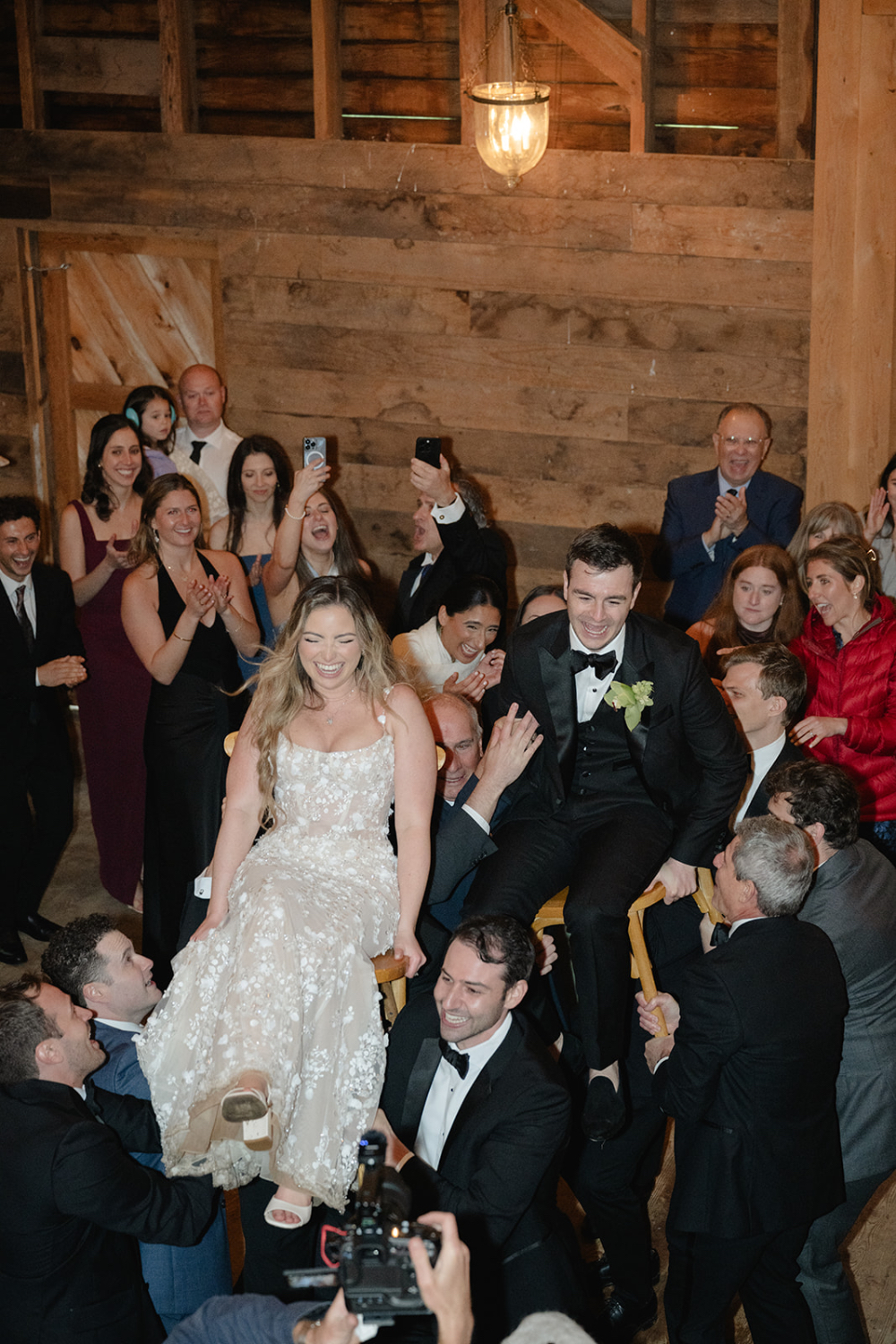
Your wedding should feel extraordinary, not like an event you’re responsible for managing. While you’re getting ready, taking photographs, greeting guests, and stepping onto the dance floor, your planning team should be several steps ahead, quietly making sure everything continues exactly as it should.
If you’re planning a wedding in New York, the Hudson Valley, New England, or anywhere your celebration may take you, we’d be honored to take the wedding planning stress off your shoulders. Reach out to learn more about working with Christofora Events and how we create celebrations that feel effortless, even when there’s plenty happening behind the scenes.
For more inspiration, follow us on Instagram and explore the unforgettable weddings and events we bring to life behind the scenes.

