

If you’re beginning to plan your wedding, you’ve likely heard the terms wedding planner and venue coordinator tossed around — sometimes even interchangeably. But here’s the truth: these two roles are very different, and understanding the distinction can make or break the flow and ease of your wedding day. Today, we’re breaking down the real difference between a wedding planner vs venue coordinator: from breaking down role responsibilities, how they work, and why having the right team in place is imperative for a seamless celebration.
At Christofora Events, we specialize in full-service planning for refined, design-forward weddings across New York and beyond. Our goal is to give couples the time, space, and support to fully enjoy their day while we manage every detail behind the scenes. If you’re still deciding who you need on your vendor team, this guide is a must-read.
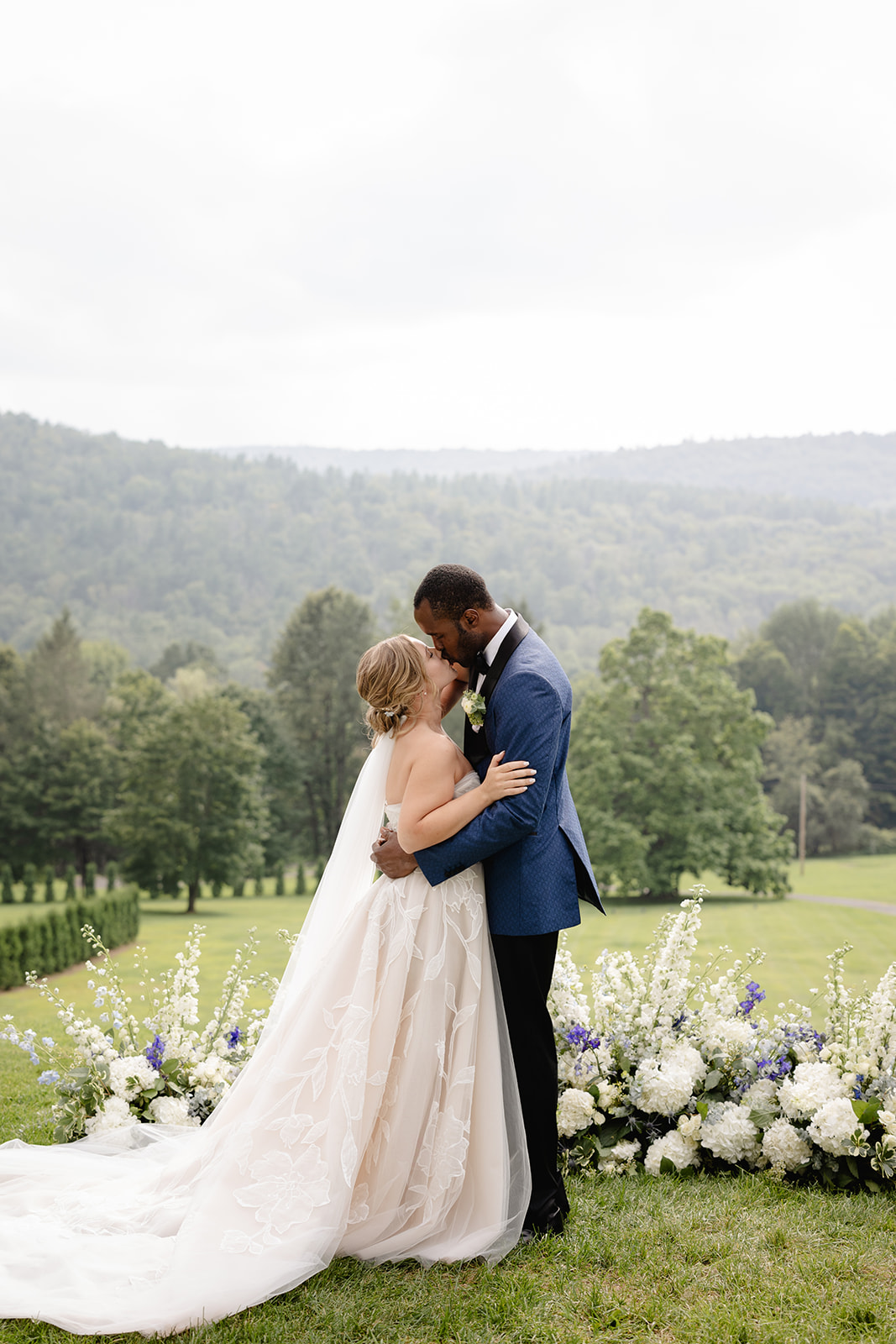
Understanding the Venue Coordinator’s Role
First, let’s start with the venue coordinator. This is someone who works for the venue, not the couple — and that’s a key distinction.
What a Venue Coordinator Does:
-
Oversees venue staff and internal operations
-
Manages parking logistics and property-specific concerns
-
Provides power access information to vendors
-
Opens and closes the venue
-
Handles venue-related emergencies, like electrical issues or site access
What a Venue Coordinator Does Not Do:
-
Set up your personal décor or wedding items (like escort cards, signage, favors, etc.)
-
Manage your timeline or flow of the day (they won’t tell you if hair and makeup is running long…)
-
Provide support for your guests
-
Direct guests between ceremony, cocktail hour, and reception
-
Break down or pack up your personal belongings
-
Ensure your vendors are fully taken care of
While a venue coordinator is a valuable resource for the property itself, they are not responsible for the overall experience of your day — or your peace of mind.
The Role of a Full-Service Wedding Planner
Now let’s look at the wedding planner — your personal advocate, designer, logistician, and creative partner all rolled into one.
A wedding planner works for you, not the venue. Plus, they serve as your voice and your eyes throughout the planning process and on the wedding day, handling all the details that make your celebration personal and truly seamless.
What a Wedding Planner Does:
-
Serves as the lead representative of the couple
-
Designs, oversees, and implements the event timeline
-
Manages all wedding-day logistics across vendors
-
Ensures every design detail is properly set up and broken down
-
Directs guests throughout each part of the celebration
-
Troubleshoots in real time, anticipating issues before they arise
-
Coordinates guest transportation, including shuttle buses or valet
-
Acts as the go-to point of contact for all vendors and family members
In short, a wedding planner is the one making sure the entire day flows effortlessly — from getting ready to sparkler exit.


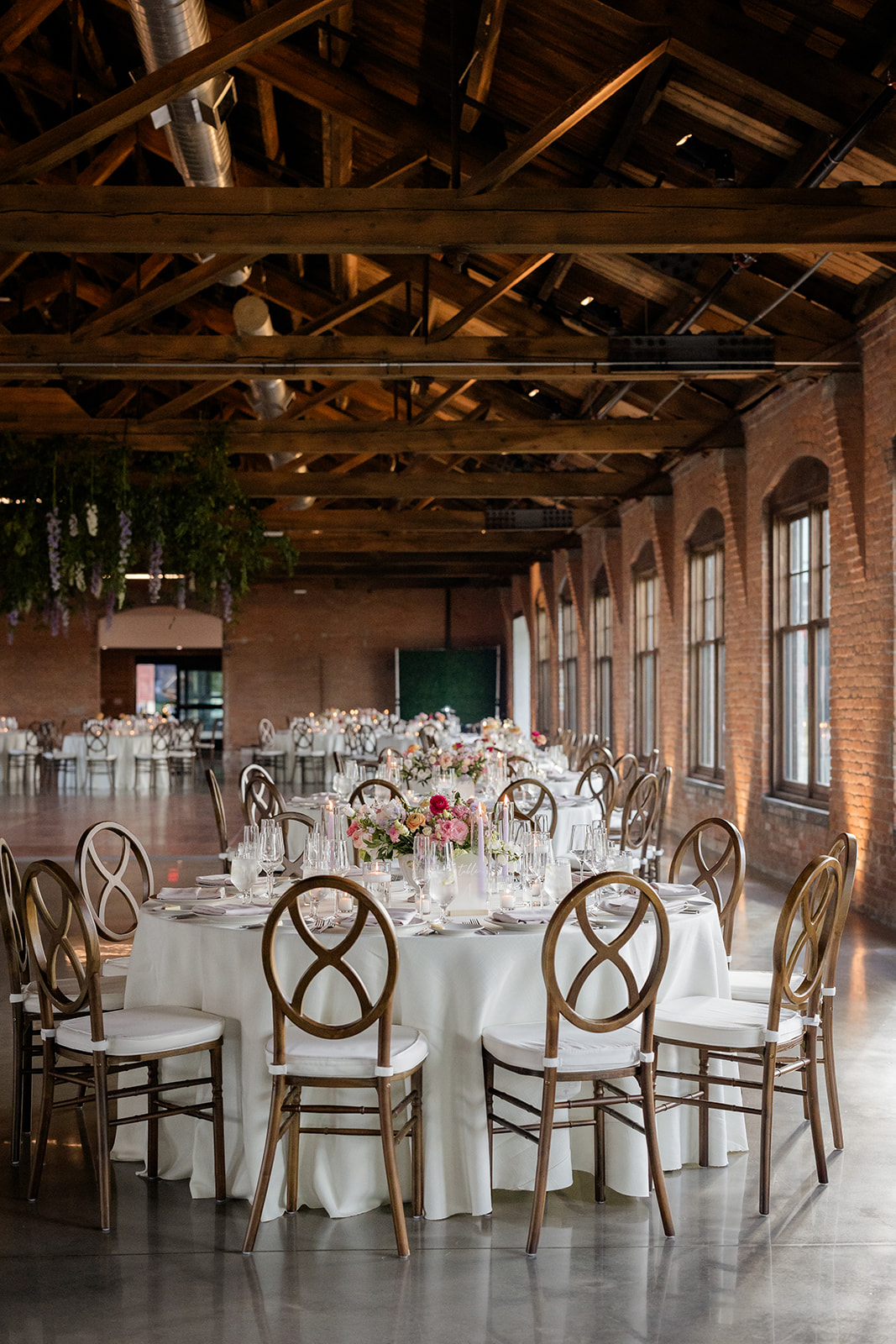
Wedding Planner vs Venue Coordinator: Why the Difference Matters
So, why does this distinction matter when planning your wedding?
It’s simple: while a venue coordinator protects the venue, a wedding planner protects your vision.
Many couples assume that having a venue coordinator is enough support. However, they often discover too late that no one is managing the guest flow, solving last-minute issues, or ensuring the design is perfectly executed. Here’s an example.
A venue coordinator might unlock the doors and tell your florist where to plug in the lights.
A wedding planner ensures the lights are actually turned on, styled correctly, and transitioned from ceremony to reception with precision — all while making sure the shuttle is on time, the champagne is poured, and your grandmother gets to her seat comfortably.
Do You Need Both?
In most cases, yes — and many high-end venues require couples to hire a wedding planner or at the very least an event manger (month-of coordinator).
Why? Because venue staff don’t have the capacity (or responsibility) to execute a personalized experience from start to finish. A planner fills that gap and then some — managing vendors, aesthetics, logistics, family needs, and so much more.
If you’re planning a wedding at a nontraditional venue — like a private estate, barn, or outdoor retreat — the need for a planner becomes even more critical. These venues often require full setups from scratch, including rentals, transportation, and layout coordination. A venue coordinator simply isn’t equipped to handle that level of complexity.

Comparing a Wedding Planner vs Venue Coordinator
When it comes to wedding planner vs venue coordinator, think of it like this: the venue coordinator is focused on the building and their contract with you; your wedding planner is focused on you.
For couples hosting elevated, multi-layered celebrations, having a planner is not a luxury — it’s a necessity. The right planning partner will protect your time, your vision, and your peace of mind every step of the way. At Christofora Events, we take pride in transforming beautiful venues into meaningful, seamless experiences. From concept to clean-up, we’re there to support, guide, and celebrate alongside you.
Are you planning a wedding in New York or beyond? Let’s create something extraordinary together. Contact us today or explore our services here. Also, feel free to follow us on Instagram for behind-the-scenes planning tips and real wedding inspiration.

