
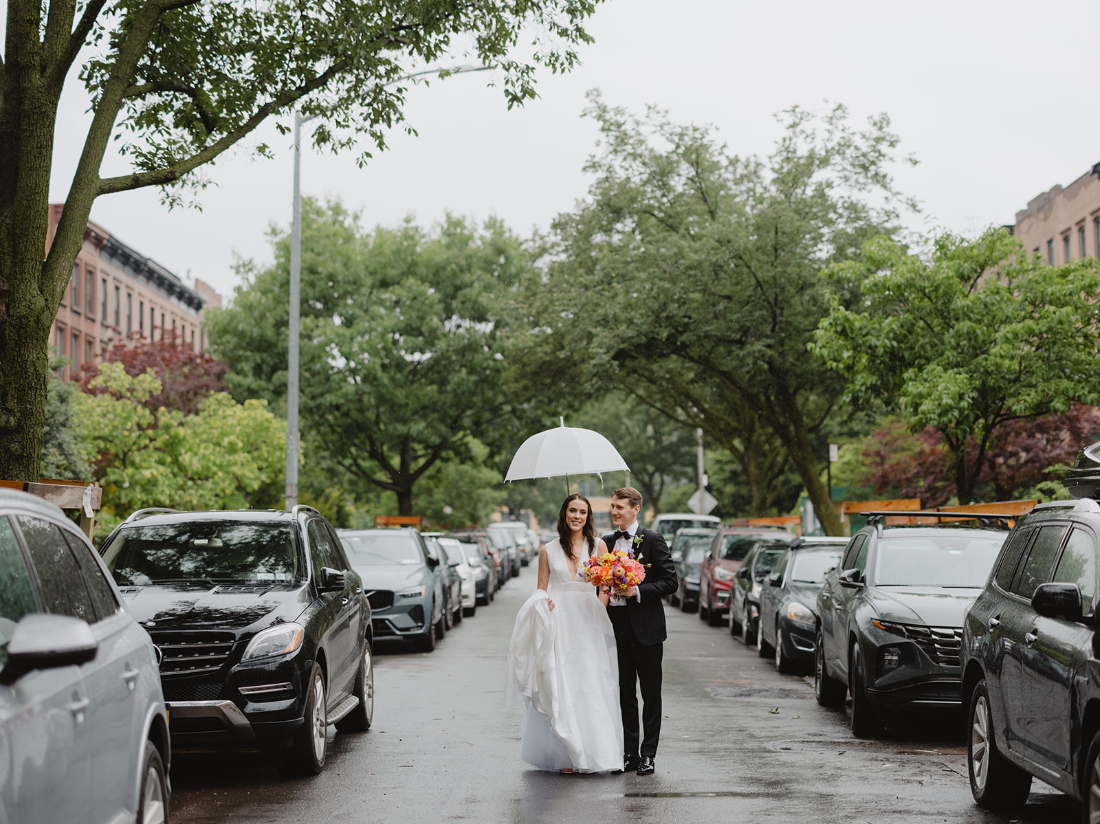
As wedding planners, our responsibility goes far beyond aesthetics. We are charged with protecting the experience, the timeline, the investment, and most importantly, the people involved. We can anticipate logistics, design contingencies, and orchestrate seamless guest flow, but wedding weather has historically been the one factor that forces planners into reactive mode.
Outdoor ceremonies, tented receptions, and multi-day celebrations don’t fail because of weather alone, they often fail because decisions are made too late, without clear information, or under unnecessary pressure. For years, navigating wedding weather meant refreshing multiple apps, interpreting conflicting forecasts, and relying on instinct during critical moments. That approach leaves too much room for doubt.
Working with Ironic Reports changed that entirely. Instead of guessing, we plan. Instead of reacting, we lead. Wedding weather becomes something we understand, schedule around, and communicate clearly—just like every other production element.
Ironic Reports is a full-service meteorology technology company built specifically for events. Their concierge approach to weather forecasting has made them a trusted partner to some of the most respected planners in the industry, offering not just data, but decision-making clarity.
A Planner’s Q&A with Andrew Leavitt on Wedding Weather
We sat down with Andrew Leavitt, founder and CEO of Ironic Reports, to better understand how professional event meteorology supports smarter planning and calmer decision making.
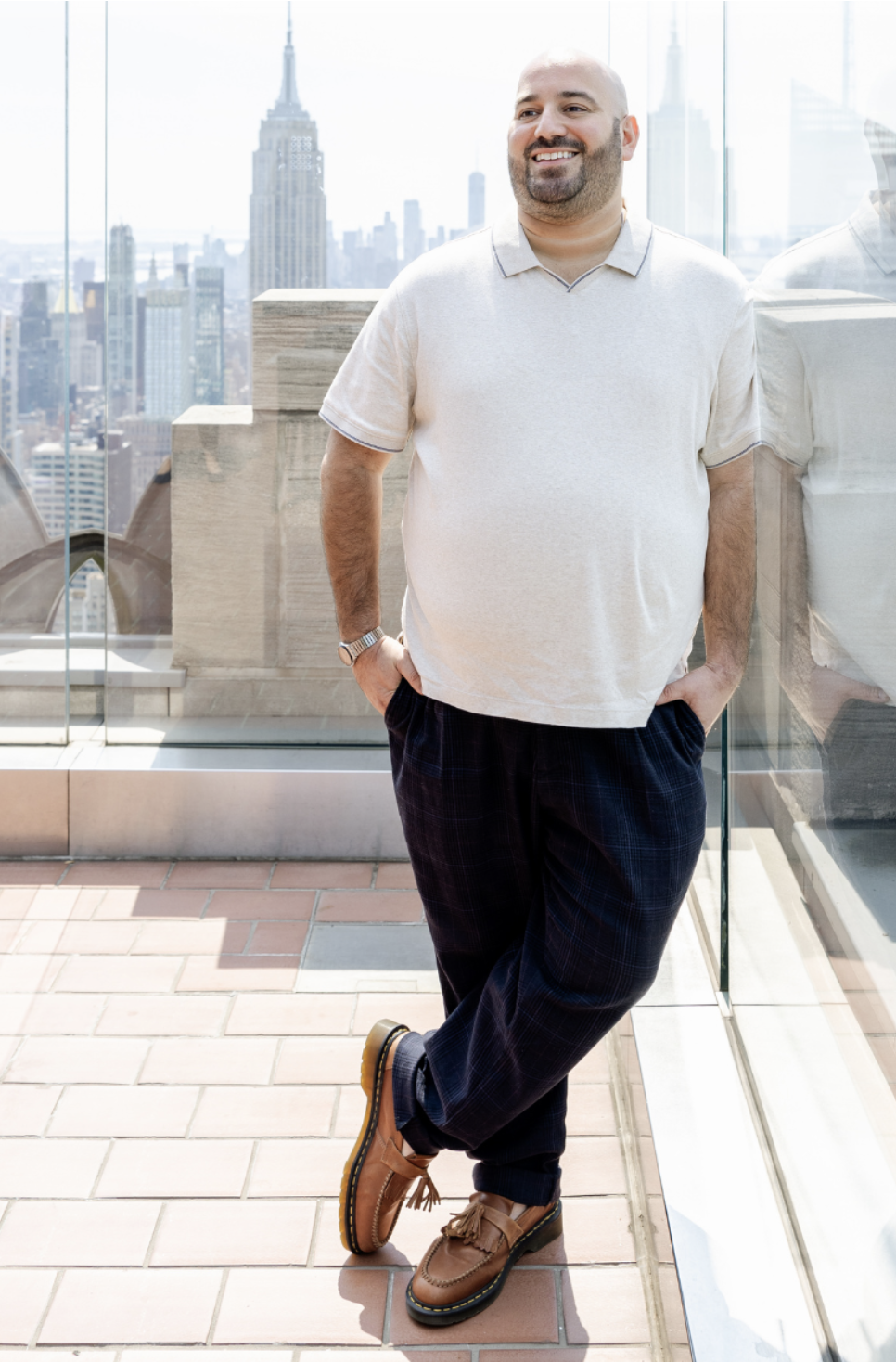
What is your background in meteorology, and how did you begin working with outdoor events and weddings?
My background is not a traditional academic meteorology path. I come from the live events world, specifically concerts, festivals, and large scale outdoor productions. I started producing concerts in my early twenties and later moved into festivals, where safety, crowd management, and risk mitigation became my primary focus. Through that work, I collaborated closely with meteorologists and safety teams, many of whom we still work with today. That experience shaped how we approach weather as an operational and safety tool, not just a forecast.
What data sources and forecasting models do you rely on?
Our forecasting process combines global public data with private sector weather resources. International agencies, particularly in Europe and other regions, provide strong publicly available datasets. In the United States, publicly available data has become more limited in recent years, so private data sources play a larger role. All of this information is aggregated internally and used to build custom forecast models designed specifically for event operations and decision making.
How far out do you feel confident providing forecasts?
Confidence depends on the type of forecast. Climatology, which is based on historical patterns, can be useful far in advance and works best six to eighteen months out during early planning. We often describe climatology as a location’s personality, while meteorology is its mood.
For operational meteorology, we avoid making firm forecasts beyond seven days. At seven days out, broader risks like rain chances, tropical systems, or severe weather potential become clear. Between five and three days out, timing sharpens and planners can begin making meaningful adjustments. Inside three days, confidence is very high and decisions can be executed with clarity.
How do you communicate uncertainty so non weather experts can make clear decisions?
Uncertainty is framed around risk tolerance and real-world impact. Every client has different limits and priorities, so we start by understanding what matters most for their event. Some events are sensitive to light rain, others are not. Some clients will proceed in heavy rain as long as there is no lightning. By grounding uncertainty in operational decisions rather than abstract probabilities, we help clients make clear, confident choices.
How often are forecasts updated in the final week and on the wedding day?
Forecasts are updated every six hours. Clients receive morning and evening updates that include a digital report and a written interpretation from our team. During the wedding weekend, communication becomes more frequent. Depending on conditions, contact may be every few hours or continuous via text when the weather is actively impacting the event.
Do you offer clear decision time guidance for wedding weather, such as when to lock tent walls or execute a backup plan?
Decision timing is built into the process. Early in the week, we begin identifying key moments based on vendor schedules and site logistics. By midweek, we are outlining tent strategies, wind considerations, and backup options. These decisions align with vendor realities such as delivery, setup, and staffing, allowing planners to act confidently rather than react under pressure.
Note from Angela: We were fortunate enough to partner with Ironic Reports for a recent event, and they were able to provide a specific window for our tent setup. This made our job as wedding planners so much easier and we are so excited to recommend this service (especially for larger outdoor productions with many moving parts).
Do you include confidence levels or probabilities for rain, storms, and clear windows?
Forecast confidence is emphasized rather than absolute certainty. A forty percent chance of rain is communicated as a meaningful possibility, while fifty percent or higher suggests rain is likely. Zero and one hundred percent are intentionally avoided. The focus is on whether the atmospheric ingredients exist for an event-impacting outcome and how confident we are in that setup.
Do you provide real time alerts if lightning or severe wedding weather enters a certain radius?
Real-time alerts are a core part of protecting events. Lightning alerts are delivered by text and email, along with warnings for high wind, flooding, freezing temperatures, ice, hail, tornadoes, and rip currents. Once a venue is confirmed, multiple monitoring zones are established, typically within eight miles and twenty miles, to provide both early awareness and actionable lead time.
What go or no go thresholds do you recommend for outdoor events?
Thresholds are tailored to each event, but clear safety baselines apply. Lightning within twenty miles puts teams on notice, and lightning within eight miles requires moving indoors until thirty minutes after the last strike. Wind thresholds depend on what is built on site. If a tent is rated to seventy-five miles per hour, preparation usually begins well before that, often in the fifty to sixty mile per hour range. Acting early is critical.
Can you help define practical trigger points for Plan B decisions?
Trigger points are one of the most important elements of event safety planning. These are based on structural limits, client comfort levels, and established safety standards. Lightning protocols receive special attention due to the duty of care involved. The goal is to remove guesswork and ensure decisions are made deliberately, not emotionally or at the last minute.
Do you track wind speed and gusts in detail?
Wind is one of the most underestimated risks at outdoor events. Sustained winds and short-duration gusts are tracked separately because they affect sites differently. This level of detail allows realistic conversations about what could move, what could fail, and what needs to be secured, from lightweight decor to full structures.
Do you provide feels like temperatures and guest comfort guidance?
Apparent temperature is included as part of planning guidance, particularly when conditions approach extremes. People respond very differently once temperatures cross certain thresholds. This information helps planners make informed decisions around attire, heaters, fans, and guest comfort without overcomplicating the message.
Will you recommend adjustments like heaters, fans, hydration, or shade?
Comfort planning is always part of the discussion once conditions become clear. Recommendations often include heaters, fans, hydration stations, shade structures, blankets, and crew safety considerations. Planners typically know their local vendors best, so weather guidance is used to support smart, timely sourcing decisions.
Do you factor in rain leading up to the event and ground saturation risks?
Ground conditions are one of the most overlooked risks. Precipitation is tracked at least seven days out, and earlier for large builds. Saturated ground can affect tent installation, equipment access, flooring choices, and even long-term property damage. Addressing these risks early helps avoid costly surprises during load in.
Will you alert us to potential travel impacts for guests and vendors?
Travel impacts are monitored closely in the final week. Regional risks such as fog, flooding, snow, and icy roads are tracked, along with airport and routing issues for both commercial and private aviation. This helps guests and vendors avoid disruptions, even when weather problems occur away from the event location.
What does communication look like in the 30 days before the event?
In the thirty day window, communication focuses on check ins and reviewing evolving production schedules. Core forecasting begins seven days out, at which point communication shifts to group text threads with planners and vendors. Text based alerts ensure information is received and acted on quickly while teams are on site.
Do you offer pre-event briefings and live support on the event day?
Briefings begin seven days out, with support available around the clock throughout the week. This includes early morning coordination before equipment is loaded, last minute adjustments, and continuous availability during the event when conditions are active.
Will we have a dedicated point of contact on the event day?
Each event is assigned a dedicated event support lead who serves as the primary point of contact. These team members often come from concerts and festivals and understand both wedding weather and on-site operations. This structure keeps communication calm, practical, and focused on decision-making.
What deliverables do you provide?
Deliverables include a twice daily seven day planner broken into six hour blocks, using a green, yellow, and red system to indicate risk levels. This is paired with a written discussion that explains what is happening and why, giving planners and vendors the context they need to act confidently.
What service tiers do you offer?
A single concierge meteorology program is offered. In the United States, the cost is $4,500 for the event week. Internationally, the cost is $5,500. Optional add-ons include travel and aviation support, as well as climatology reports. Climatology reports start at $2,500 per location in the United States and $3,500 internationally and are written by the chief meteorologist, Jack Sillin. Custom projects are scoped individually.
Do you support events nationally or internationally?
Support is provided for both domestic and international events. The primary limitation involves locations without reliable radar or surface observation networks, such as extremely remote regions. Satellite data alone cannot provide the accuracy required for site specific decision making. Outside of those limitations, events are supported in most parts of the world.

How This Makes Us Better Wedding Planners
When weather intelligence is aligned with real production timelines, we’re able to:
-
Make earlier, calmer decisions about layouts, rentals, and backup plans
-
Protect vendor teams by setting clear safety protocols and decision points
-
Communicate confidently with clients using facts instead of probabilities
-
Reduce last-minute changes that compromise design or guest experience
-
Lead events proactively rather than managing crisis in real time
Instead of weather being a source of anxiety, it becomes another tool in our planning process—one that supports better budgeting, safer builds, and more thoughtful execution. The result is not just smoother wedding days, but stronger client trust and a more elevated planning experience overall.
Why Professional Wedding Weather Support Matters
After working with Ironic Reports, it is difficult to imagine managing outdoor weddings without this level of wedding weather insight. Their approach removes guesswork, aligns forecasts with real production timelines, and allows planners to lead with confidence rather than stress. For planners who value preparation, safety, and thoughtful execution, Ironic Reports has become an important partner in the world of luxury weddings.
If you are planning outdoor events and want wedding weather guidance that supports smarter decisions from the very beginning, Ironic Reports is absolutely worth exploring. If you are curious what it feels like to plan with this level of wedding weather insight, reach out to us and we would be happy to share about our firsthand with their team.
And if you are here exploring guidance for your own celebration, we would love to connect and help bring your event to life.

